
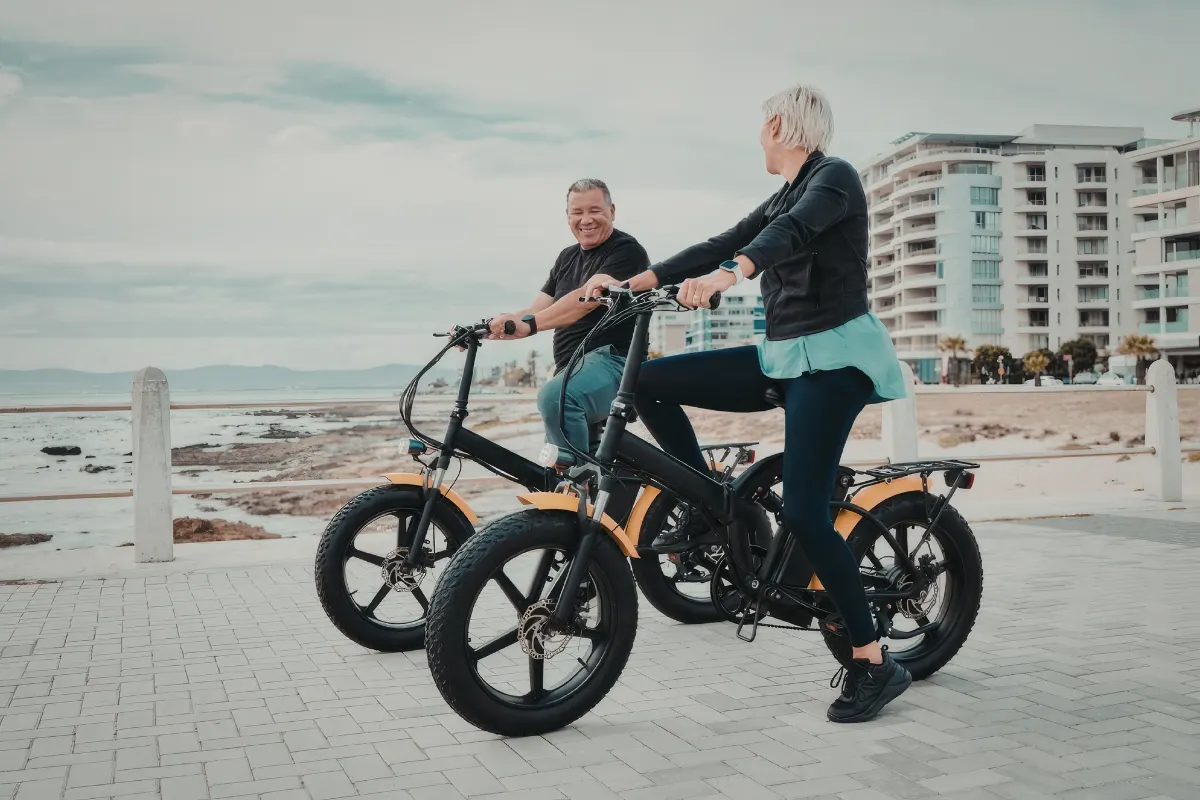
Electric bicycles, commonly known as e-bikes, have exploded in popularity across Wisconsin over the last few years. Whether you’re riding the trails in Waukesha County, commuting to work, or simply enjoying a ride around the neighborhood, e-bikes make cycling easier and more accessible than ever before
They’re fun, practical, and environmentally friendly. But they’re also raising an important question that many riders have never considered.
What happens if I’m responsible for injuring someone while riding my e-bike?
The answer isn’t always as straightforward as people think.
Many homeowners assume they’re automatically covered because an e-bike is “just a bicycle.” Others think their auto insurance would somehow apply. Depending on the type of e-bike you own and your insurance policy, neither assumption may be correct.
Let’s look at some of the liability concerns Wisconsin e-bike owners should understand before heading out on their next ride.
E-Bikes Are Faster Than Traditional Bicycles
One of the biggest differences between a traditional bicycle and an e-bike is speed.
Wisconsin law generally recognizes three classes of e-bikes:
- Class 1: Pedal assist only, with assistance up to 20 mph.
- Class 2: Throttle-assisted bikes capable of speeds up to 20 mph.
- Class 3: Pedal assist up to 28 mph.
Twenty-eight miles per hour may not sound especially fast when you’re driving a car, but it can be incredibly fast on a bike path, neighborhood street, or crowded trail.
The increased speed means:
- Longer stopping distances
- Greater impact during collisions
- More severe injuries
- Less time to react to pedestrians, pets, or vehicles
Because of this, liability claims involving e-bikes can become much more serious than those involving traditional bicycles.
What Happens If You Hit Someone?
Imagine you’re riding your e-bike through a local park.
A child unexpectedly runs across the path chasing a ball. Despite hitting the brakes, you can’t stop in time.
The child suffers a broken arm and requires surgery.
Now you’re facing medical bills, potential lost wages for the parents, and possibly a lawsuit alleging negligence.
This is where liability coverage becomes incredibly important.
Personal liability coverage found in many homeowners insurance policies may provide protection for accidents like these—but it depends on the circumstances and, in some cases, how the e-bike is classified under your specific insurance policy.
Not every insurance company treats e-bikes the same way.
Not All E-Bikes Are Viewed the Same
One of the biggest misconceptions is assuming every electric bike is insured exactly like a regular bicycle.
Insurance companies often look at factors such as:
- Maximum assisted speed
- Motor size
- Whether the bike has a throttle
- Whether it can be operated without pedaling
- How Wisconsin law classifies the bike
- The specific wording of your insurance policy
Some policies provide broad coverage, while others may have exclusions for certain motorized vehicles.
That’s why it’s important to discuss your e-bike with your insurance agent rather than assuming you’re protected.
Property Damage Can Add Up Quickly
Liability isn’t limited to injuries.
Suppose you’re riding through your neighborhood and lose control while avoiding a squirrel.
Instead of crashing into a tree, you ride directly into your neighbor’s parked vehicle.
Modern vehicles often have:
- Cameras
- Radar sensors
- Parking assist systems
- Expensive paint finishes
What looks like a small dent could easily result in several thousand dollars in repairs.
Without adequate liability protection, those costs could become your responsibility.
Kids and Teen Riders
Many Wisconsin families are purchasing e-bikes for teenagers.
They’re an excellent way for kids to get around, but they also create new liability concerns.
Teen drivers don’t have years of experience judging speed, stopping distances, or reacting to unexpected situations.
Parents should ask themselves:
- Does my homeowners policy provide liability coverage for my child while riding an e-bike?
- Are there any exclusions?
- Does my umbrella policy extend over this type of accident?
- What happens if my child injures another person?
These are important conversations to have before handing over the keys—or in this case, the battery charger.
Umbrella Insurance May Be Worth Considering
If you own significant assets or simply want additional peace of mind, an umbrella policy can provide an extra layer of liability protection above your homeowners policy.
Imagine an accident resulting in:
- Multiple surgeries
- Permanent injuries
- Long-term rehabilitation
- Lost future income
Serious liability claims can easily exceed the liability limits on a standard homeowners policy.
An umbrella policy may provide additional protection, depending on the facts of the claim and the policy language.
For many Wisconsin families, umbrella insurance is one of the most affordable ways to increase liability protection.
Ride Responsibly
Many liability claims can be prevented by practicing safe riding habits.
A few good reminders include:
- Always wear a helmet.
- Obey traffic laws and trail rules.
- Slow down around pedestrians.
- Use lights when riding near dusk or at night.
- Avoid using your phone while riding.
- Be especially cautious around children and pets.
- Yield when appropriate.
- Keep both hands available to control the bike.
The safest claim is the one that never happens.
Don’t Forget About Theft and Physical Damage
Liability is only one part of the picture.
Many quality e-bikes cost between $2,000 and $6,000, and premium models can cost even more.
If your e-bike is stolen from your garage, damaged in a fire, or vandalized, coverage may depend on your homeowners policy limits, deductibles, and any applicable exclusions.
If you’ve invested several thousand dollars in an e-bike, it’s worth asking your insurance agent whether additional protection is available or appropriate.
Review Your Coverage Before You Need It
E-bikes are here to stay, and they’re a fantastic way to enjoy Wisconsin’s parks, neighborhoods, and scenic trails. But they also introduce liability risks that many riders haven’t considered.
The best time to find out whether your insurance covers your e-bike isn’t after an accident—it’s before one happens.
If you’ve recently purchased an e-bike or are thinking about buying one, take a few minutes to review your insurance with your local agent. Ask how your homeowners, umbrella, or other policies respond if you’re involved in an accident, and whether there are any gaps in coverage that should be addressed.
A short conversation today could save you significant stress and expense in the future.
Disclaimer: Insurance coverage for e-bikes varies by insurance company and policy language. Wisconsin law and policy provisions can change over time. This article is intended for general educational purposes only and should not be considered legal or coverage advice. Always review your specific policy and consult your insurance agent regarding your individual situation.