
Summer is the season for backyard barbecues, graduation parties, family get-togethers, and evenings spent outside. It’s also the time of year when your home sees the most visitors. Whether it’s neighbors stopping by, kids playing in the yard, or friends coming over for a cookout, your property gets a lot more foot traffic than it does during the winter months.
Unfortunately, that also means it’s one of the busiest seasons for slip, trip, and fall accidents.
The good news? Most liability claims can be prevented with a little time, a few basic tools, and a careful walk around your property. Spending an hour or two on these simple maintenance tasks can make your home safer for everyone while helping reduce the chances of an expensive insurance claim.
Here are a few areas worth checking this summer.
1. Give Your Railings a Good Shake
This sounds simple, but it’s one of the most overlooked maintenance items around the home.
Walk around your deck, porch, front steps, and any exterior stairways. Grab each railing and give it a firm shake. It shouldn’t wobble, lean, or move.
Over time, wood expands and contracts, screws loosen, and posts can begin to rot where they meet the ground. A railing that feels “mostly okay” today can easily fail when someone puts their full weight on it.
If you notice movement:
- Tighten loose bolts or lag screws.
- Replace rusted hardware.
- Check for rotting wood around the posts.
- Replace damaged sections before they become a bigger problem.
A sturdy railing gives guests confidence and helps prevent serious falls.
2. Inspect Every Step
Loose or broken steps are another common cause of injuries.
Walk every staircase around your property, including:
- Front porch steps
- Backyard deck stairs
- Basement walkout stairs
- Garage entry steps
Look for:
- Cracked concrete
- Loose boards
- Nails or screws sticking up
- Rotting wood
- Uneven stair heights
Even a small defect can catch someone’s foot, especially if they’re carrying food, drinks, or talking with friends instead of watching where they’re walk.
If something doesn’t feel solid under your feet, it’s worth fixing now rather than after someone gets hurt.
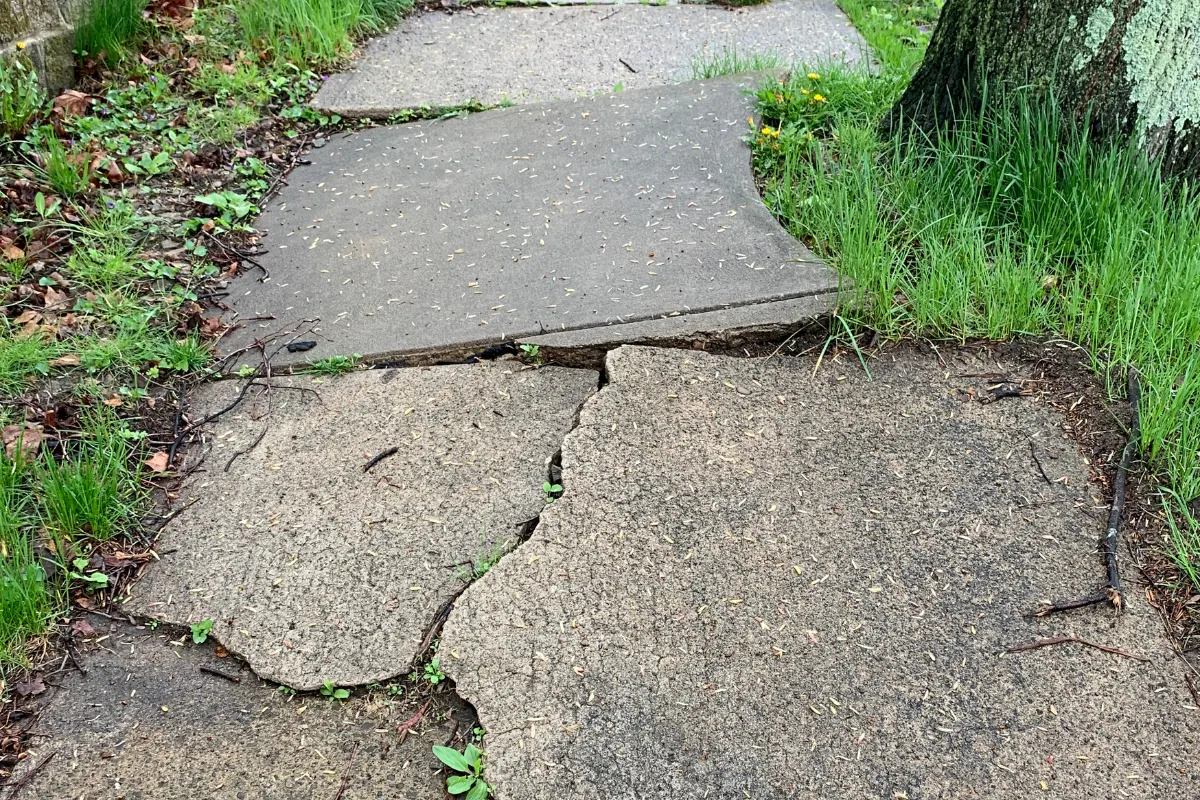
3. Watch for Uneven Walkways
Freeze-thaw cycles during Wisconsin winters can wreak havoc on sidewalks, patios, and walkways.
Summer is the perfect time to inspect all walking surfaces around your home.
Pay close attention to:
- Sidewalk joints that have lifted
- Patio pavers that have shifted
- Tree roots pushing up concrete
- Cracks that create trip hazards
- Uneven transitions between surfaces
Even a one-inch height difference can create a serious tripping hazard.
If repairs can’t be completed immediately, consider marking the area with bright paint or temporarily blocking access until it can be fixed.
4. Don’t Forget the Deck
Decks are often the center of summer entertaining, but they also deserve one of the most thorough inspections.
Look beyond just the surface boards.
Check for:
- Soft or rotted wood
- Loose deck boards
- Nails or screws sticking up
- Missing fasteners
- Wobbly stairs
- Loose railing
- Cracked support posts
If your deck is older, consider having it professionally inspected. Many deck failures happen because the structural components underneath aren’t visible until it’s too late.
While you’re there, clean away leaves, moss, algae, and mildew that may have built up over the spring.
5. Make Slippery Decks Safer
A deck doesn’t have to be damaged to become dangerous.
Rain, morning dew, pollen, algae, and mildew can all make wood and composite decking surprisingly slippery.
If you’ve ever stepped outside early in the morning wearing sandals, you’ve probably experienced this firsthand.
A few simple steps can make a big difference:
- Power wash dirty surfaces.
- Remove algae or mildew with a deck cleaner.
- Trim nearby trees to improve sunlight and airflow.
- Consider adding non-slip strips to stairs.
- Reapply stain or sealant when appropriate.
Keeping your deck clean isn’t just about appearance—it’s also about safety.
6. Improve Outdoor Lighting
Many falls don’t happen because something is broken—they happen because someone simply couldn’t see it.
Walk around your home after sunset.
Ask yourself:
- Can guests clearly see the walkway?
- Are all porch lights working?
- Is the path from the driveway well lit?
- Can visitors safely find the front door?
- Are deck stairs illuminated?
Replacing burnt-out bulbs is inexpensive and can dramatically improve safety.
Motion-activated lights are another excellent investment around garages, side yards, and backyard walkways.
LED bulbs use very little electricity and provide much brighter lighting than older bulbs.
7. Keep Walkways Clear
Summer projects often leave tools, hoses, extension cords, toys, and lawn equipment scattered around the yard.
While they may seem harmless, they become easy tripping hazards.
Take a quick walk before guests arrive and pick up:
- Garden hoses
- Kids’ toys
- Extension cords
- Sports equipment
- Flower pots in walking paths
- Lawn tools
It’s amazing how much safer your property becomes with just five minutes of cleanup.
8. Trim Back Landscaping
Bushes, tree branches, and overgrown shrubs can hide hazards.
They can also force people to step around obstacles and into unsafe areas.
Keep landscaping trimmed away from:
- Sidewalks
- Driveways
- Deck stairs
- Entryways
- Outdoor lighting fixtures
Not only does this improve visibility, but it also makes your home look more inviting.
9. Repair Small Problems Before They Become Big Ones
One of the biggest mistakes homeowners make is putting off small repairs.
That loose board.
That cracked step.
That railing that’s “probably okay.”
Small maintenance issues rarely get better on their own. They usually become more expensive—and more dangerous—the longer they’re ignored.
Summer offers great weather for making repairs before fall and winter arrive.
A Little Prevention Goes a Long Way
No one expects a friend, neighbor, delivery driver, or family member to get injured at their home. Fortunately, many of the most common liability claims involve hazards that are easy to identify and relatively inexpensive to fix.
Taking a couple of hours this summer to inspect your property can help make your home safer for everyone who visits. As an added bonus, you’ll also be protecting one of your biggest investments.
If you’re unsure whether your current homeowners insurance provides enough personal liability protection, it’s a good idea to review your policy with your insurance agent. Liability coverage is designed to protect you if someone is injured on your property, but preventing accidents in the first place is always the best approach.
A little maintenance today can help you avoid a much bigger headache tomorrow.